
|
Unlocking the Potential of Interactive Whiteboards in Home and OfficeThe interactive whiteboard has become a staple in modern learning environments, and for good reason. These innovative devices offer an engaging, interactive platform for presentations, collaboration, and brainstorming in both educational settings and professional environments. In this article, we'll explore the key features that set these boards apart from traditional whiteboards, and how they can be effectively utilized in both the home and office. A Look at Interactive Whiteboard SystemsWhen you think of a whiteboard, you may picture a simple board with markers and erasers. However, interactive whiteboard systems are far more advanced than their non-digital counterparts. Combining state-of-the-art technology with intuitive design, these systems offer a wide range of features aimed at enhancing communication and collaboration. |
Touchscreen Functionality
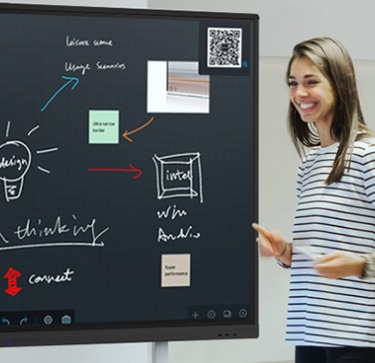
One of the most notable features of an interactive whiteboard is its touchscreen capability. Users can write, draw, or manipulate objects on the screen using either a special stylus - known as a smart pen - or simply their fingers.
This allows for a seamless and natural experience, making it easy to perform tasks like taking notes, sketching diagrams, or annotating documents.
Digital Connectivity and Integration
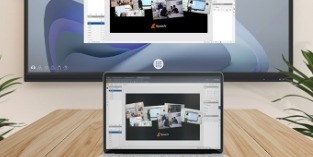
With options for connecting to computers, tablets, smartphones, and other devices, the interactive whiteboard becomes a central hub for information sharing. Presenters can display slides, videos, websites, or applications directly onto the board, with the ability to navigate through content using the touchscreen interface.
In addition, many interactive whiteboards come equipped with built-in software, allowing users to save and share their work in various formats.
Multimedia Capabilities
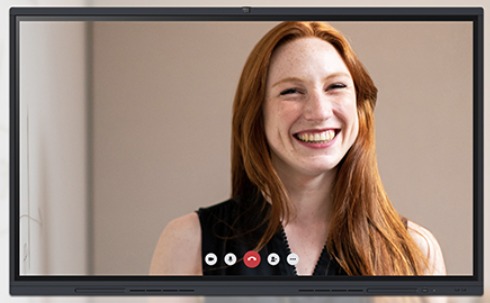
Interactive whiteboards can support a wide range of multimedia features, such as audio playback, video streaming, and even live video conferencing. This makes it easy to incorporate interactive activities, like quizzes or polls, into presentations or lectures, keeping audiences engaged and entertained.
Benefits of Interactive Whiteboards in Home Environments
While commonly associated with classrooms and boardrooms, interactive whiteboards have plenty to offer in the home as well. Here's how these versatile devices can enhance your domestic life:
- Home Office Collaboration: Whether you're working from home or running a small business, an interactive whiteboard provides a valuable tool for collaborating with colleagues both locally and remotely. With built-in video conferencing, users can easily share ideas, brainstorm solutions, and plan projects in real-time.
- Educational Support: For parents looking to supplement their children's education, an interactive whiteboard is an excellent investment. Thanks to its intuitive interface and range of multimedia features, these boards can be used to teach everything from basic math skills to complex scientific concepts. Interactive whiteboard systems, like those offered by Hivista, often come with educational software pre-installed, providing a wealth of resources at your fingertips.
- Family Organization and Communication: Keep track of schedules, appointments, and other important information with an interactive whiteboard in your kitchen or living room. You can create digital calendars, to-do lists, and even meal plans, with the added bonus of being able to update them quickly and efficiently using the touchscreen interface.
|
Optimizing Interactive Whiteboards in Professional SettingsIn addition to enhancing the learning process in schools and universities, interactive whiteboards are also a valuable asset in professional settings. Here's how they can help improve productivity and communication within the workplace:
|
Whether you're looking to enhance your home life, improve productivity in the office, or boost engagement in the classroom, interactive whiteboards offer a wealth of benefits.
From touchscreen functionality and digital connectivity to multimedia capabilities and collaborative potential, these innovative devices have transformed the way we communicate, learn, and collaborate.